


Hummus and health
- Dietitian.Lauren Hmede
- Feb 1, 2019
- 3 min read

Is Hummus Healthy?
Hummus is rich in plant-based protein, healthy fat and fiber. Is it healthy or no it depends on the way it is served.
What is hummus?
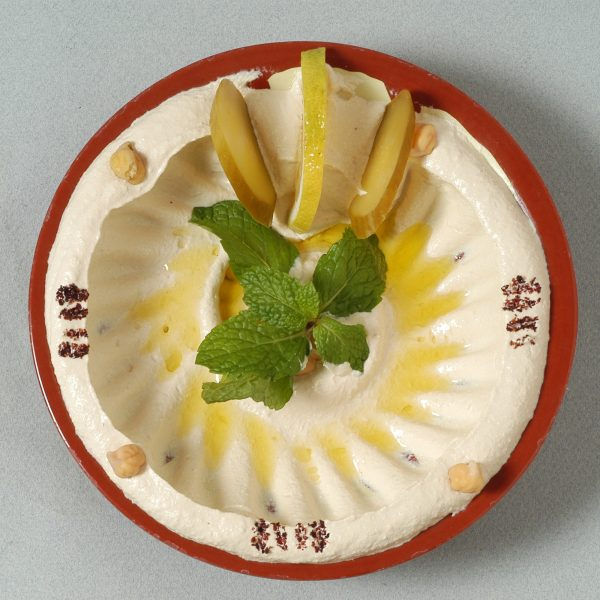
Hummus is an Arabic dish made of cooked and mashed chickpeas, tahini (a condiment made from toasted sesame seeds),olive oil, garlic, lemon juice, and salt.
Hummus is usually served as an appetizer along with pita bread, falafel, meat, poultry, fish and/or vegetables. It’s often topped with various garnishes such as olive oil, parsley, paprika, sumac, olives, pickles, tomatoes and whole chickpeas.
Hummus can also be used as a dip for raw vegetable platters that include carrot and celery sticks, and cucumber slices, and is sometimes used as a healthier alternative to mayonnaise on sandwiches and in salads. It’s also a popular choice of protein for those following a vegeterian or vegan diet.
Why you should eat hummus?
According to USDA two tablespoons of commercially made hummus contains 60 calories, 2 grams of protein, 5 g of fat, 3 g of carbohydrates, 80 milligrams of sodium, and 1 g of fiber Each serving is free of sugar and cholesterol contains a good source of iron and vitamin C.
What makes hummus so good for you is that each ingredient in the dip contains a powerhouse of nutrients that will benefit your heart, bones, and more. Let’s break everything down:
Chickpeas: They are high fiber and protein content. They are used in plant-based diet and they contain an adequate source of calcium, potassium, manganese, magnesium,zinc vitamin K, and choline, which can decrease inflammation.
Garlic: It contains allicin which has anti-microbial and antibacterial effects, and can help treat hypertension blood coagulation, and certain cancers.
Olive oil: Loaded with healthy fats and antioxidants, olive oil is believed to help reduce inflammation, treat rheumatoid arthritis, prevent stokes and heart disease and fight Alzheimer disease.
Tahini: This condiment’s main ingredient is sesame seeds, which are a good source of zinc, calcium, phosphorus,fiber, and copper.
Lemon juice: Lemons are rich in vitamin C pectin, and d-limonene, which can benefit your heart and protect you from anemia cancer and kidney stones.
Hummus should be eaten in moderation. Two tablespoons of hummus is considered to be one serving, which is a probably a lot smaller than what most people eat in one sitting. It’s more likely that we consume between two and three servings in one sitting, which can be a problem since many commercially produced brands of hummus contain more salt than the homemade variety.
It’s also important to read the ingredients so that you can skip any brands containing colorants, thickeners, stabilizers, and preservatives.
Can I make it at home?
Making hummus at home is a good idea as you can control the amount of salt and oil going into the dip, thus avoiding excess sodium and fat. You can also top your hummus with garnishes that are beneficial to your specific nutritional needs, such as:
Black pepper for antioxidant and anti-inflammatory effects
Turmeric to reduce inflammation
Cinnamon for glucose control
Oregano for additional calcium, vitamin C, vitamin A, and fiber
Bell peppers for vitamins A, C, and B5.
You can made hummus at home by combining canned chickpeas that have been rinsed and drained with garlic, lemon juice, olive oil, and tahini and blend until smooth. Tahini is often located in the “ethnic” section of grocery stores, or in the condiments aisle. You can experiment with different types of legumes (beans, peas, and lentils) and flavor combinations.
Sources:
http://h-delivery.com/en/product/hommos-with-tahina/


Comments