


Exercise and aging
- Dietitian.Lauren Hmede
- Apr 9, 2019
- 4 min read

Working out When You're Over 50
You Need Exercise Now More than Ever
Yes you can exercise at 50-60s not the same as you are 20s but you can still enjoy exercise to improve quality of life.
What Exercise Does
We lose muscle as we age. Exercise help to re-build muscles. Muscles boost metabolism and burn more calories. Moreover, exercise lower risk of diabetes type 2, heart disease and Alzheimer disease. Finally, it sharpen your brain.
Types of Exercise
We need different types of exercise. Cardio or aerobic exercise gets your heart rate up and makes you breathe harder, which builds your endurance and burns calories.
Strength or weight training keeps your muscles ready for action.
Flexibility exercises help you stay limber so you can have a full range of movement and avoid injury.
Balance training becomes important after age 50, so you can prevent falls and stay active.
Choose the Right Activities
You need to choose exercise with low impact in another word less jumping so they wont harm your joint. Moreover, you can choose exercise that you enjoy but consult first your doctor to choose proper activities.
Walking
It is simple and effective yet it stimulate stamina, strengthens lower body muscles, and helps fight against bone diseases like osteoporosis.
Jogging
If you like to sweat a little bit you can enjoy jogging. As long as you take it slow and steady, wear the right shoes, and take walking breaks, your joints should be fine. Soft surfaces, like a track or grass, may also help. Pay attention to your calves and hips, with extra stretching and strengthening to lessen your chance of injuries.
Dancing
The kind of dance dont really matters so you can enjoy ballroom, line, square, even dance-based aerobics classes like Zumba and Jazzercise. Dancing helps your endurance, strengthens your muscles, and improves your balance. It burns a lot of calories because it gets you moving in all directions.
Golfing
You can benefit from golfing as you walk more, an average round is more than 10,000 steps, or about 5 miles! In addition, your swing uses your whole body, and it requires good balanceand calm focus. If you carry or pull your clubs, that's even more of a workout. But even using a cart is worth it. You're still working your muscles and getting in steps along with fresh air and stress relief.
Cycling
If you have stiff joint you can enjoy cycling , because your legs don't have to support your weight. The action gets your blood moving and builds muscles on both the front and back of your legs and hips. You use your abs for balance and your arms and shoulders to steer. Because there's resistance, you're strengthening your bones, too. Specially designed bike frames and saddles can make riding safer and easier for various health issues.
Tennis
Racquet sports, including tennis, squash, and badminton, may be particularly good at keeping you alive longer and for lowering your chance of dying from heart disease. Playing tennis 2 or 3 times a week is linked to better stamina and reaction times, lower body fat, and higher "good" HDL cholesterol. And it builds bones, especially in your arm, low back, and neck. Play doubles for a less intense, more social workout.
Strength Training
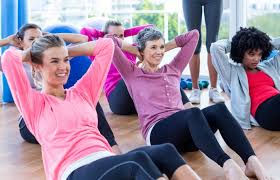
As you lose muscles you may feel less energetic. When you lift weights, work out on machines, use resistance bands, or do exercises with your own body weight (like push-ups and sit-ups), you build strength, muscle mass, and flexibility. It will make daily activites easier.
Swimming
You can exercise without having weight on your joints. Resitance of water helps to strengthen muscles and bones. Swimming laps burns calories and works your heart like jogging and cycling, yet you're not likely to overheat. The moisture helps people with asthma breathe. Water-based exercise improves the mind-set of people with fibromyalgia.
Yoga
Actively holding a series of poses will stretch and strengthen your muscles, as well as the tendons and ligaments that hold your bones together. Mindful breathing makes it a kind of meditation, too. It lower heart rate, blood pressure, relieve anxiety and depression.
Tai Chi
It is called moving meditation. You move your body slowly and gently, flowing from one position to the next, while you breathe deeply. It is good for balance, heart and bone health. Moreover, it may ease pain and stiffness from arthritis. It might even help you sleep better.
How Much?
You should get at least 150 minutes of moderate cardio activity a week. It's better when you spread it out over 3 days or more, for a minimum of 10 minutes at a time. Also spend time at least twice a week specifically working the muscles in your legs, hips, back, abs, chest, shoulders, and arms.
Generally speaking, the more you exercise, the more benefit you get. And anything is better than nothing.
Start Slow
It is important if you dont have exercsing for a while. Begin with 10 minutes and gradually ramp up how long, how often, or how intensely you exercise.
When to Call Your Doctor
Chest pain, breathing problems, dizziness, balance problems, and nausea when you exercise could be warning signs. Let your doctor know sooner, rather than later.
Your body isn't going to recover as fast as it used to. If your muscles or joints hurt the next day, you may have overdone it. Dial it back and see what happens. Check with your doctor if the pain continues.
Sources:


Comments