


Epilepsy: what you need to know
- Dietitian.Lauren Hmede
- Apr 23, 2019
- 4 min read

What Is Epilepsy?
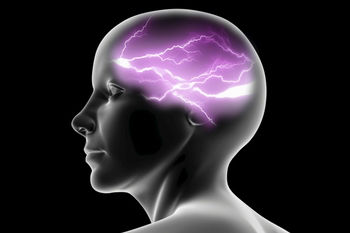
Epilepsy results from a problem in the brain's electrilcal system. A surge of electrical impulses causes brief changes in movement, behaviour, feeling, or awareness. These events are defined as seizures and may lasts from few seconds to few minutes.People who've had two or more seizures without obvious triggers at least 24 hours apart have epilepsy.
What Are the Symptoms?
Epilepsy can cause convulsions sudden, uncontrolled movements while seizures can trigger a wide range of other symptoms, from staring to falling to fumbling with clothes. Most doctors divide them into different types, according to how they affect your brain. Each has its own set of symptoms.
Absence Seizures
These are often described as staring spells. The person stops what he’s doing, stares into space for a few seconds, then goes on like nothing happened. It’s most common in children and usually starts between the ages of 4 and 12. Some kids have as many as 100 absence seizures in 1 day.
Generalized Tonic-Clonic Seizures
These used to be called grand mal seizures, and they’re the most easily spotted. Your arms and legs stiffen, then begin to jerk. This can last up to 3 minutes. After it happens, you’ll probably be tired and confused. This type of seizure involves many areas of the brain.
Focal Onset Seizures
It starts in one part of your brain and it is called partial seizures. You might make jerking motions or see things that aren’t there, but still be aware of what’s happening. If you have a complex partial seizure, you might wander, mumble, smack your lips, or fumble with your clothes. Others might think you’re conscious, but you won’t be aware of what you’re doing.
What Causes Epilepsy?
Anything that disrupts the brain’s natural circuitry can bring on this disorder:
Genes
A change in the structure of your brain
Severe head injury
Brain infection or disease
Stroke
Lack of oxygen
Most people with epilepsy never find a specific cause.
Do Kids Get Epilepsy?
Yes, but some outgrow it in a few years. Regular medication often stops it. If drugs alone don't keep it under control, other treatments may help. A well-informed school staff can help a child with epilepsy safely take part in most activities.
Diagnosis: EEG
A doctor will review the description of your seizures and your medical history, then examine you. He’ll give you a test called an electroencephalogram (EEG) to confirm a diagnosis and get more information about your seizures. It’s a painless procedure that records your brain’s electrical activity as wavy lines. The pattern changes during a seizure and may show which part of the brain is affected. That can help guide your treatment.
Diagnosis: Brain Scan
Detailed images of your brain from tests like CT or MRI scans can help doctors rule out some things as causes, like a change in the structure of your brain, bleeding, or masses. A CT scan is a powerful type of X-ray, and an MRI uses magnets and radio waves to make pictures. This information will help your doctor come up with the best treatment plan for you.
Epilepsy Complications
You need to find appropraite treatment and to stick to it in order to prevent epilepsy complications. Most people with the brain disorder live a long time, and they're rarely injured during seizures. But if you fall during them, you may need a helmet to protect your head. Some types of seizures may make an early death more likely, but this is rare.
Safety Measures
Some activities can be dangerous because seizures striking without warning. Losing consciousness while swimming or taking a bath could be life-threatening. The same goes for many extreme sports, like mountain climbing. Most states require you to be seizure-free for a certain amount of time before driving a car.
Treatment: Medication
Anti-seizure drugs are the most common epilepsy treatment. About two-thirds of people with the brain disorder become seizure-free by taking their meds as prescribed. Speak yo your doctor if the medication does not work as he/she can change the medication itself or even change the dose.
Treatment: Ketogenic Diet
If medications didnt give any improvement, the doctor decide to have a strict dietary plan. The diet is high in fat and protein, and low in carbs a mix that makes your body burn fat instead of sugar. This will apply changes to brain and there is less chance to have seizures. More than half of children who follow this diet have at least 50% fewer seizures. Some even stop having them.
Treatment: Stimulation Therapies
There are several types:
VNS. It stands for vagus nerve stimulation. Sometimes it’s called a pacemaker for your brain. It sends electrical pulses through a large nerve in your neck.
Cortical stimulation. Surgeons place electrodes on the surface of your brain.
Deep brain stimulation. Electrodes placed deep in the brain can cut seizures by 50% or more for some people.
Treatment: Surgery
It can stop partial seizures. If the medical team finds that yours always begin in a single area of your brain, removing that area may stop them or make them easier to manage. Surgery also treats conditions that cause seizures, like a brain tumor.
First Aid for Seizures
If you see someone having a seizure, take the following steps:
Time how long it lasts.
Clear the area of anything hard or sharp.
Loosen anything at the neck that may affect her breathing.
Turn her onto her side.
Put something soft beneath her head.
Don't place anything inside her mouth.
Call 911 if a seizure lasts more than 5 minutes, happens again, or the person is pregnant, injured, or has diabetes.
Treatment for Status Seizures
Long-lasting or recurring seizures may be a condition called status epilepticus. It can cause serious problems and needs emergency treatment. To bring the seizures to an end quickly, hospitals often give drugs by IV, along with oxygen.
Epilepsy and Pregnancy
It is safe to get pregnant and 90% of babies are born healthy but anti-seizures drugs may affect pregnant health so it is better to consult your doctor as he/she can change the medicine or its dose.
Seizure Dogs
Service dogs can be trained to behave a certain way during a seizure. For example, the animal can lie next to the person to help prevent an injury. A dog can be trained to alert the parents during a child’s seizure.
Epilepsy Research
Doctors are looking for new treatments with two goals:
1-Help more people fully control their seizures.
2-Reduce treatment side effects.
Some researchers are also studying implantable devices that could alert you when a seizure is about to happen.
Living with Epilepsy
You can enjoy a full, active life. Taking your medication on schedule may stop your seizures. If not, you can get other kinds of help. A specialist can come up with ways to curb the condition's impact on your life.
Sources:


Comments