


Biggest mistakes on diet!
- Dietitian.Lauren Hmede
- Jan 28, 2019
- 4 min read

Introduction:
Are you trying to lose weight with no success? We get it. The process can be frustrating at times as well as confusing — there are so many myhts bits of mis-information floating about. Often you just need to make a few changes to your lifestlye to offer big results, but which ones are for you? Today I will mention the biggest mistakes that you are doing them when you are trying to lose weight. You can learn from other people's mistakes.
1. Extreme Dieting
Extreme dieting like going below 1200 calories per day is not sustainable as your body switch to starvation mode and then you will have lower metabolism. Instead you should choose simple, healthy living that provides you with energy need, calories and nutrients yet losing weight. You have healthy diet choices like eating a plant-based diet, going Mediterranean, or following another nutritious eating plan.
2. Swearing Off Treats or Food Groups For Good
Total elimination of tempting food like chocolate, bread and cookies make you feel depressed instead you can still enjoy your diet plan while including them in small amount so it is okay to give yourself a treat of 150-200 calories daily while still enjoying your healthy lifestyle.
3. Eating Too Much Sugar and Processed Foods
We didn’t say complete elimination but still adding more sugar and processed food without eventually notice this can make a problem not they are just empty calories but they affect also your insulin hormone and cause spike that lead to weight gain In addition these food offer no nutritional value and you will end up the day feeling more hungry.
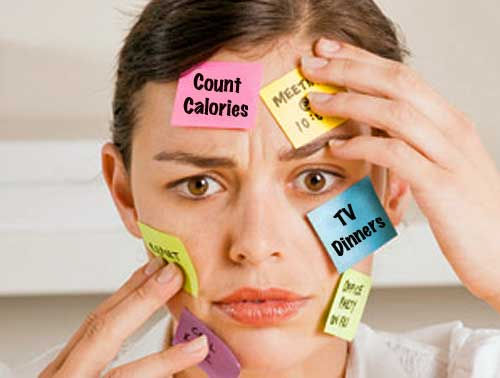
4. Not counting calories:
Every small bite or spoonful count and you will end the day with extra calories and later on extra pounds. You should count your caloric intake and keep track if your daily consumption. Counting those little calories can really make big difference.
Learn about food serving or contacting with a dietitian are helpful to assure you are on track.
5. Not Planning Ahead
Try to keep your food on hand as extreme hunger lead to overeating. So instead prepare your meals ahead at the beginning of the week and shop what you need. You can also cook food and store them to be cooked later on.
6. Too Much Protein or Not Enough
High proteindiet can make results but they are not sustainable for long term as you are missing important nutrients from fruits, veggies, beans, nuts, seeds, and whole grains. The variety of doo help to keep gut bacteria happy, your digestive system satisfied as well detoxifying your body. It is recommended to have a protein intake of 0.8-1.2 grams/kg/body weight. And contrary not getting enough protein will result in weight gain. So try to get enough protein.
7. Compensating For Eating With Exercise
Workout is not punishment so you don’t need to kill yourself in exercise as this lead to unhealthy eating habits due to hunger sensation.
A 30-minute run only burns about 250 calories so if you devour 300 calories worth of dessert, it's no wonder you're not losing any weight and actually gaining instead. Use workouts to complement your healthy diet, not to make up for unhealthy eating habits.
8. Keeping It to Yourself
Having supportive environment is really important to keep your goals ahead. So try to share them with your family as they can provide healthy choices instead of processed and sugary ones!
9. Not Eating Enough
Low caloric intake is important but don’t fo for extreme deficit. Food is important for survivial and normal body functioning. If you are not getting enough food your body will slow metabolism and switch to get energy from muscles. So the recommendations of minimal intake is 1200 calories/women and 1800 calories/men.
10. Having Cheat Days
Cheat day can make you lose all the effort you did during the whole week and result in failure for both short and long term goals. Instead you can have cheat meal that make you satisfy yet you are still on the track
Take a healthy cooking class, order a plant based cookbooks; get excited about the healthy meals you're eating, and you'll be loving your food so much, you won't need a "cheat day."
11. Not Drinking Enough Water
Thirst is often mistaken for hunger so it is important to stay hydrated throughout your day. It will help keep energy levels up and prevent headache which can be reasons people reach for extra snacks, which leads to weight gain.
Start your meals with drinking water and enjoy them with water too. Aim to drink 16 ounces of water before reaching for your first bite of food.
12. Not Eating Enough Veggies
Vegetables are the food group you want to be filling up on the most as they are rich in fiber and high in volume so they keep your satiety feeling and then consuming less calories.
Enjoy vegetables at each single meal.
13. Skipping dinner for cocktails
Drinking on an empty stomach can lead to quicker intoxication, so even if you planned to just enjoy a few drinks, you'll end up losing the ability to make healthy choices and are more likely to order tons of food off the bar menu!
Or even if the calories level out because you skipped dinner, you'll still have missed out on valuable nutrients, dropping your blood sugar levels. The result? Hunger coupled with the effects of alcohol will quickly nix that trip to the gym you planned.
Drinks with meals add a lot of calories and you still feel hunger. In addition, excessive alcohol will cause the liver to stop metabolizing fat and carbohydrates in order to get the alcohol metabolized first which lead to fat storage especially in the belly area. The key point is to limit calories from beverages, and if you do go out for happy hour, enjoy one drink and spend the rest of the time sipping water.
14. Eating Diet Foods
Lour body does not recognize diet products as food and eventually your body sends inflammatory signals to that site in order to fix the perceived problem.
"Fat-free" peanut butter, as well as "sugar-free" cookies and ice cream may have fewer calories, but you'll find chemicals and extra salt and sugar to make up for the flavour. In addition we might not feel as satisfied with these low-everything diet foods since you're not giving your body the nutrition it craves, which could cause us to end up eating more in the long run. This means eating these foods can actually cause weight gain, so skip them and go for whole, all-natural foods instead.
Sources:


Comments