


10 Common Mistakes to Avoid When Starting a Low-Carb Diet
- Dietitian.Lauren Hmede
- Mar 15, 2019
- 3 min read

This diet isn't as simple as cutting out bread and buying low-carb ice cream
Al low-carbs diet has been shown to be effective in losing extra fat and lowering risk of diabetes while regulating blood sugar. But sometimes people will end up having over-indulging other macronutrients and the result will be double weight gain than expected weight loss so today let us learn about 10 of the most common mistakes in low-carb eating and how to avoid them.
Eating Too Few Carbs
Low-carbs diet is difficult as lowering your intake to 20 grams per day may be impossible in addition you need to make sure that you are getting enough protein, fat and minimum amount of carbs.
Low carbs is not no-carbs as you can include some fruits and vegetables that are low in carbs.
Sometimes, low-carbs diet may not suit your body so try to apply another diet type.
Over-Eating "Allowed" Foods
Going on low-carbs diet is not about overconsuming more protein and fat so you tend to over increase the intake of cheese and meat which affect your health and lead to weight gain.
Remember that over-consumption will lead to extra unwanted calories so low-carbs is about reducing carbs but maintaining adequate calories not over-calories from fat and protein.
Skimping on Vegetables
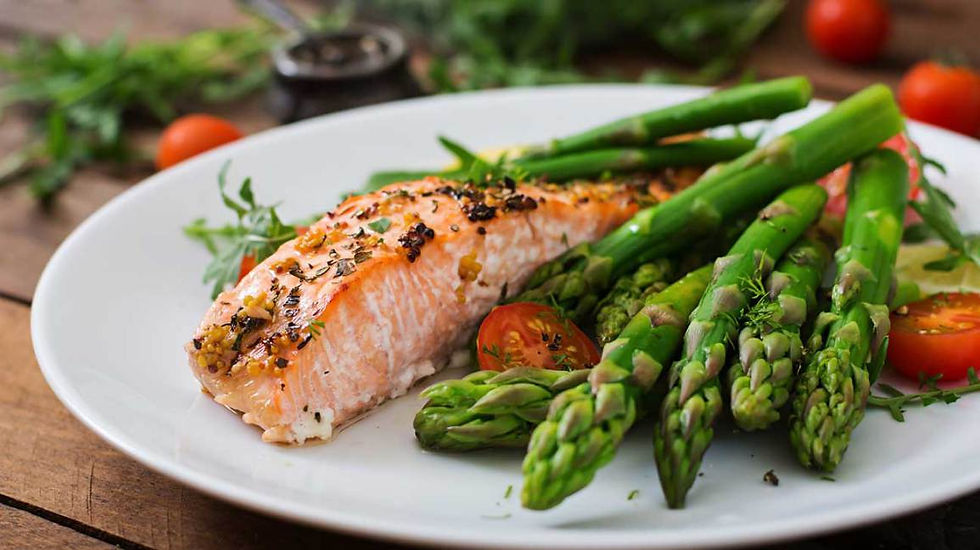
Low carbs again is not a diet without vegetables and fruit, as you need to fill up half of your plate with vegetables and you need to choose low-carbs fruits that are rich in many nutrients and play a key role in preventing many chronic diseases.
Being Afraid of Fat
Sometimes when are afraid from high fat food you will end up having low-fat diet instead of low-carbs diet. You don’t need to reduce your fat intake and you don’t need to overconsume-fats instead you need to maintain adequate amount and especially of healthy fat like avocado, nuts and olive oil you don’t need to go through unhealthy fat sources.
Fat is filling food and gives you energy as it keeps you full for longer period and it curbs appetite.
Forgetting Fiber
Eating enough vegetables and fruits ensure you are getting enough fibre that prevent bloating and constipation.
You can add high fibre flaxseeds and chia seeds to your diet if you want to switch from high carbs-high fibre food to high fibre-low carbs food.
Lack of Planning
Meal planning is a key point for successful weight loss plan.
If you are hungry and you don’t know what you want to eat this is a big problem as craving toward unhealthy choices occur.
So instead make a weekly plan to know exactly what you need to eat and go to grocery shopping and stick to the list of wanted food instead of passing by tempting aisles.
Getting Into a Rut
Going on the same food daily can be boring so instead you need to have variety in eating and it is important for optimal nutrition status. Dot forget your aim is to have low-carbs food not low-nutrients.
Falling Prey to “Low-Carb” Packaged Foods
Be careful about the food labelled low-carbs and sugar-free as they can contain maltitol which is a carbohydrate that affects blood sugar. In general, products that talk about their "net carbs" or "impact carbs" deserve close scrutiny of the ingredients and careful experimentation.
Letting Carbs Lurk
You are getting low-carbs and your body is adapting et voila you lose weight?
So why not for a piece of toast or ice-cream? This craving toward carbs may really hurt your low-carbs diet and make you repeating the cycle again so don’t let cravings affect your diet.
Skipping Exercise
You need to exercise when you are on low-carbs diet and this is to the fact that:
· Exercise lowers insulin resistance. This is probably partly why exercise alone will tend to help many people lose a few pounds.
· Exercise is good for our bodies in so many ways.
· While we can lose weight by diet alone, at least to some extent, we are very unlikely to be able to maintain a significant weight loss without exercise.
Sources:
https://www.healthline.com/nutrition/low-carb-diet-meal-plan-and-menu


Comments